COMPARTIR :
Lonely Planet and León
23 de Octubre del 2026
León: the Itinerary to one of Spain’s best kept secrets
It’s amazing that a city can be called “underrated” or “the best kept secret” so many times in the space of a decade.
But this is exactly the case with León, Spain.
I’ve lived in León for seven years now, and in that period, this city has been called out as a so-called “hidden gem” no less than three times. One of them, by me.
Conde Nast did so before I wrote about León in 2023, both of us highlighted the city’s livability and history Now, just in September of this year, Lonely Planet put León on it must-do travel list for 2027, citing its great vibe, food, and monuments.
I agree. But let me as a local and a travel agent, give my own take on Lonely Planet’s recommendations.
Absolutely you should start with a visit to the Gothic cathedral, renowned especially for its stained glass. As a friend here said, when she went to Sant Chapelle in Paris (widely considered the best example of the art in Europe) she just wasn’t that impressed after having spent so much time in the cathedral of León.
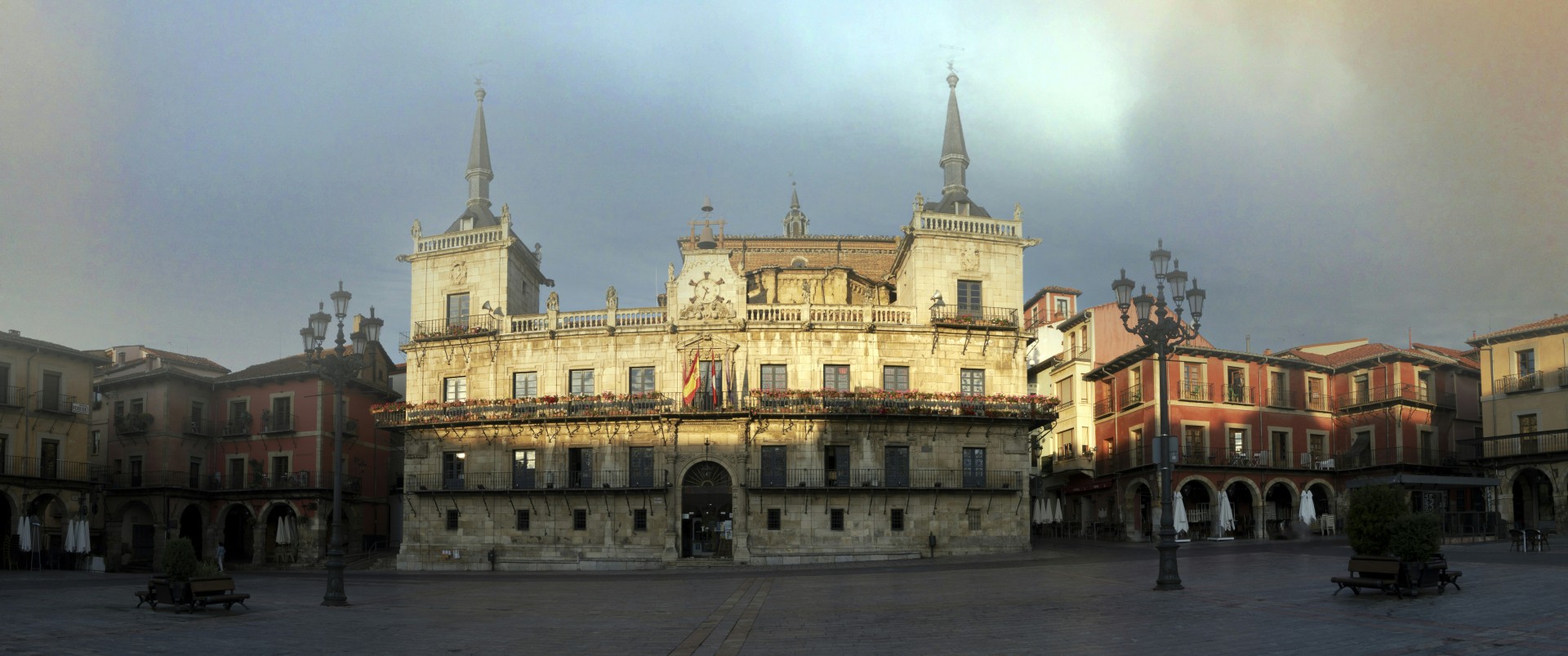
Next, I admit their article helped me recognize that, indeed, León is a city of wonderful plazas. I attribute this to the town retaining much of its medieval character its oldest sections. You will come across these plazas inevitably on a wander through the historic core and its medieval streets, again one of the best aspects of the city.
But what makes these plazas wonderful is the life inside them. Most of them are closed to cars, so they have become fabulous hangout areas. In fact, León has the highest concentration of bars of any city in Europe and so probably in the world. And these are the Spanish type of bars, the kind of place where people of all ages stop for a glass of wine, a refreshment, or a coffee at almost any time of day. But be careful, they may swallow you up in an afternoon of vermouth and tapas, called in León, tardeo.
Also not to be missed, as Lonely Planet points out, is the Collegiata Real de San Isidoro. Older than the cathedral, the Romanesque church is still functioning, open to visitors all day for prayer and respectful gawking. The parts that were formerly a monastery and cloister have been turned into a museum and hotel. On the museum side, you can wander through the old cloister and visit the pantheon of the kings of León, sometimes called the medieval Sistine chapel because of the lively colors of the intricate Romanesque frescoes on the ceiling. It easy to forget just how brilliantly decorated these eleventh and twelfth century churches really were since that old paint has usually been lost. Here, the Middle Ages get glimpsed in all their living color. The museum also contains other superb medieval artifacts such as the chalice of Urraca, considered a candidate for the Holy Grail.
Also on this side of the city center is the Parque del Cid, a green space that elegantly combines nature, culture, and archeology; and where locals regularly congregate. It’s named for medieval national hero Rodrigo Díaz de Vivar, aka El Cid, who lived much of his life in León, and served the Leonese kings before his conquest of Valencia but other important figures like Cervantes have their statues here, too. Archeological remains form the Roman Empire, and a part of the old city wall complete the atmosphere.
Then there’s the Convent of San Marcos. Originally built in the 13th century as a monastery of the Knights of St. James, one of the Spanish chivalric orders, it sits at the east edge of the city center, right where the road coming Burgos entered León, that is the Camino de Santiago. As monkish warriors, the knights existed to give assistance to those in need—pilgrims, travelers in general, and the poor. Hence, the monastery sat right on the main road. Today, the yellow arrows of the Camino de Santiago continue to take pilgrims through the plaza at its entrance to the old foot bridge across the Bernesga River. Most of the monuments have been converted into a five-star hotel, part of the Paradores hotel chain, but the church and the cloister are open to the public, as is the café of the hotel. Even if you don’t stay at the hotel, the complex is worth a visit, including the café, which has a patio covered in flowers overlooking the river.
Also mandatory, is the Casa Botines (one of the few works by Gaudi outside of Catalonia), the Museo de León (which gives you a nice intro to the city’s history) and the MUSAC (the contemporary art museum).
Next, I’ll dive into what else the city offers and what Lonely Planet missed.