COMPARTIR :
Astures and Romans
26 de Agosto del 2026
It all started as a watermelon throwing contest. So my husband tells me about the origins of one of Spain’s best summer festivals, Astures y Romanos, in the small city of Astorga.
In principal, the festival commemorates the treaty between the conquering Romans and local celtic peoples, the Astures around 1 A.D. when the Roman Empire was in full expansion across the Iberian peninsula. Roman chroniclers do indeed testify to a pact of hospitality between the local Zoelae tribe, living near the city of Asturica Agustus, the original name of Astorga.
and the Romans, signed in the year 27 AD.
The historical reenactment is really just an excuse for the entire city to have some cosplay fun.
It started forty years ago when the Roman Circus became part of the events of annual summer festival (fiestas del pueblo). Makes sense, since the city was founded by Romans and still has a few good ruins laying around.
For this sporty, modern imitation of the old Roman entertainment, groups of friends, mostly adolescents, banded together and got a small stipend from the city to prepare their weapons. Not wanting to recreate the existential, life-and-death drama of a real Roman circus, it initially consisted of launching watermelons with homemade catapults while dressed up in togas. Apparently, my husband and his posse won.
To keep the fun going, they also rigged up a sede and picked one of their to be their Cesar who they carried around town, jocularly demanding tribute on his behalf as they went from bar to bar (Spanish towns are full small, local bars), where they usually got drinks on the house, too.
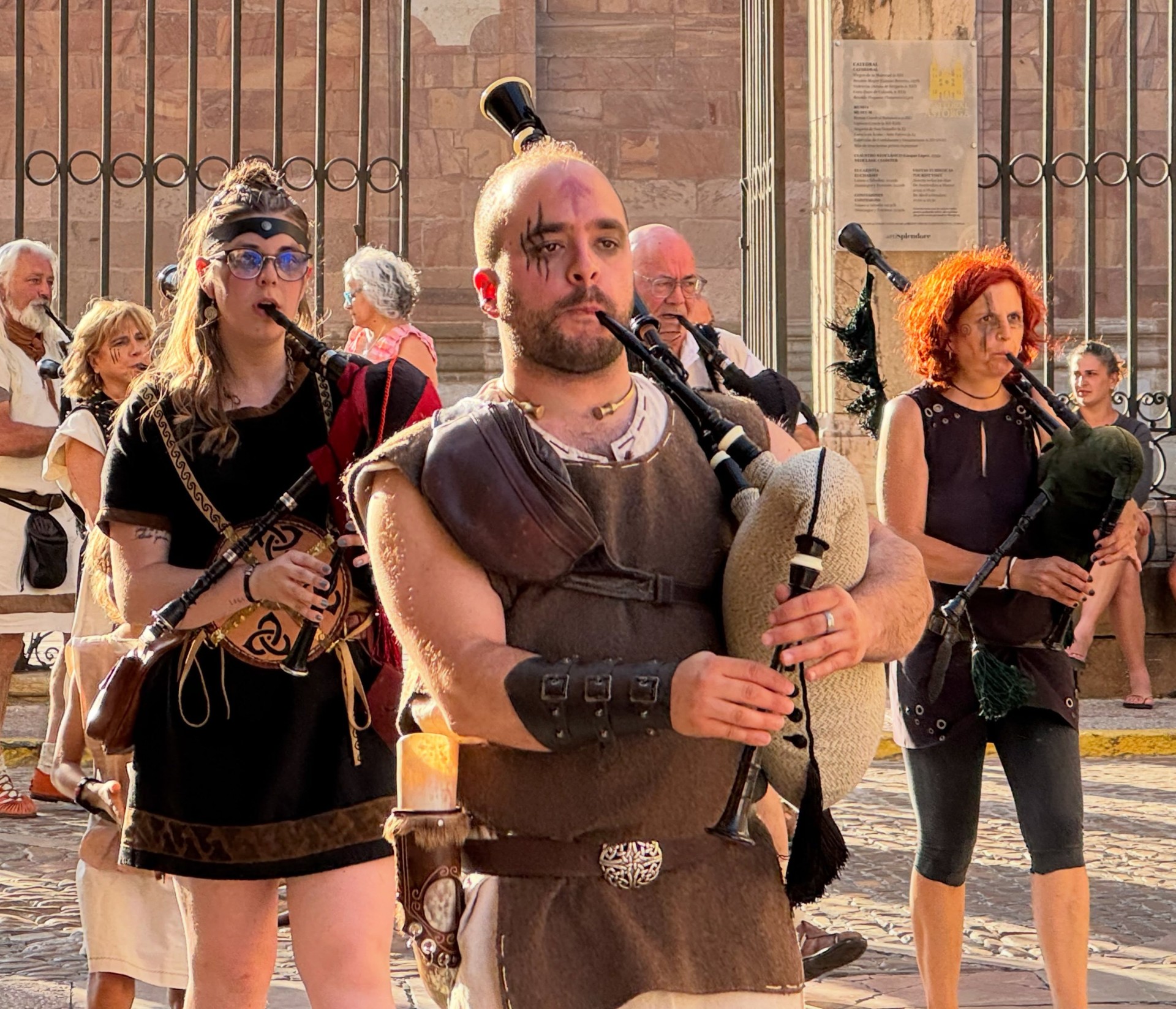
It proved so enjoyable, its simply expanded year after year and came to center not only on Roman history but the celtic culture that coexisted with the Roman one. Now, you can choose to be either a celt or a Roman.
Now an annual four-day event at the end of July, a month before the official town festival, is considered one of Spain best summer festivities.
Despite its expansion and some professionalisation, it remains true to Its origins as cosplay party put on by the locals themselves, the town having fun with it history.
The heart and soul of Astures y Romanos is the camp, where groups of friends and local clubs set up their Roman tents or their celtic pallozas, thatch roof huts.
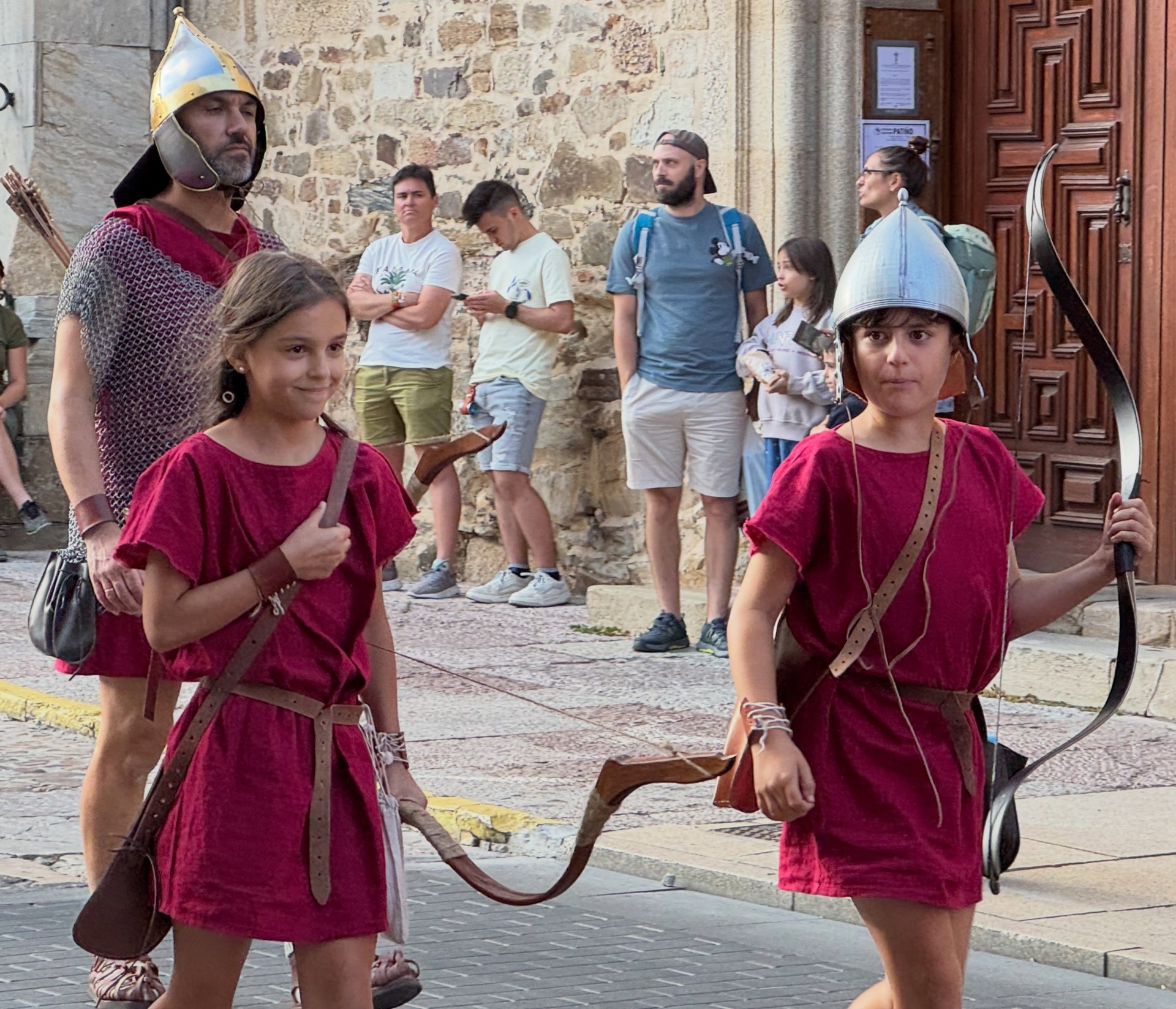
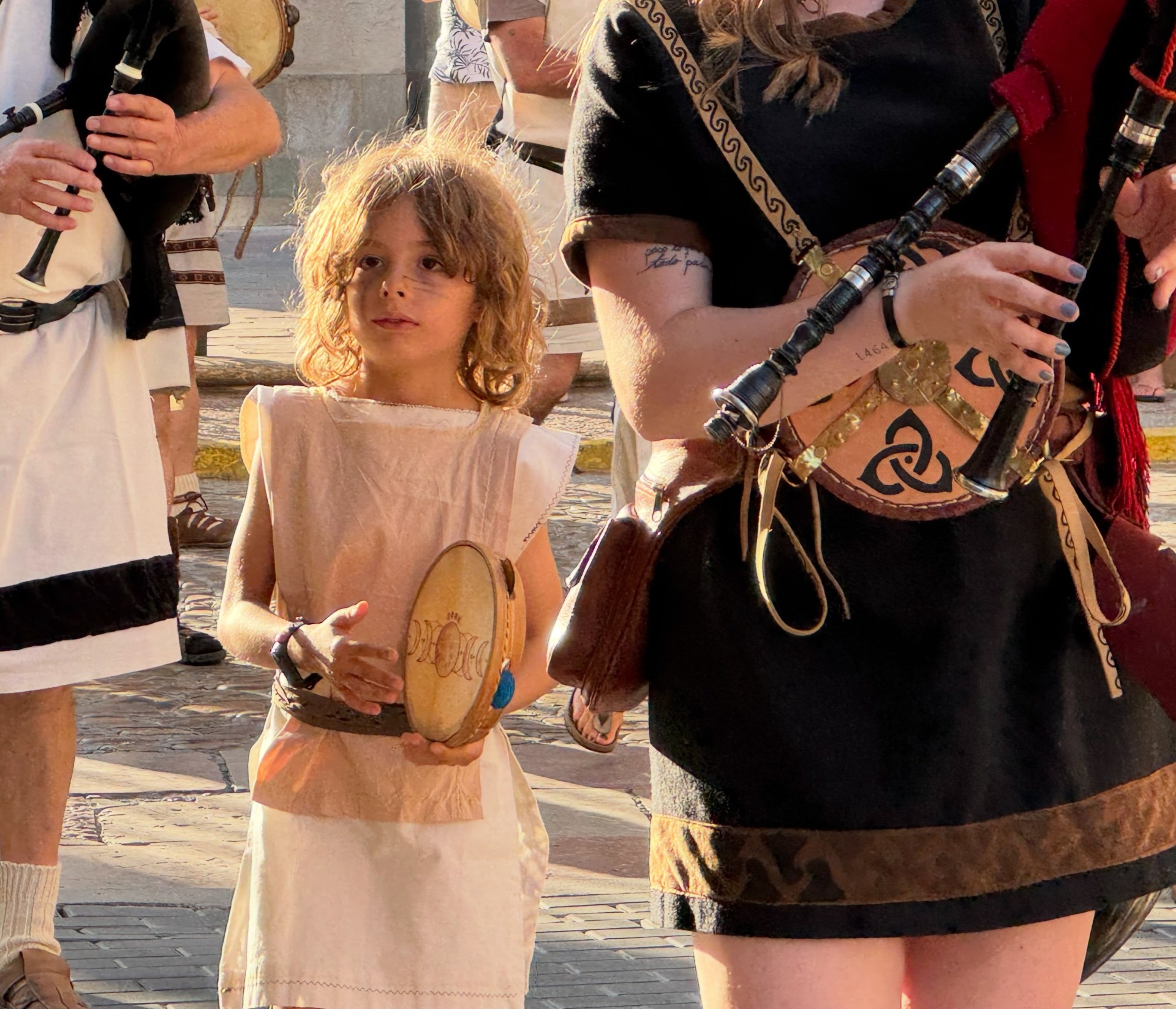
Here they hang out, have jam sessions, and invite the rest of the city to wonder through this temporary living museum. More specific activities go on throughout the weekend, too, from workshops for children on ancient arts and the training for the Roman Legion.
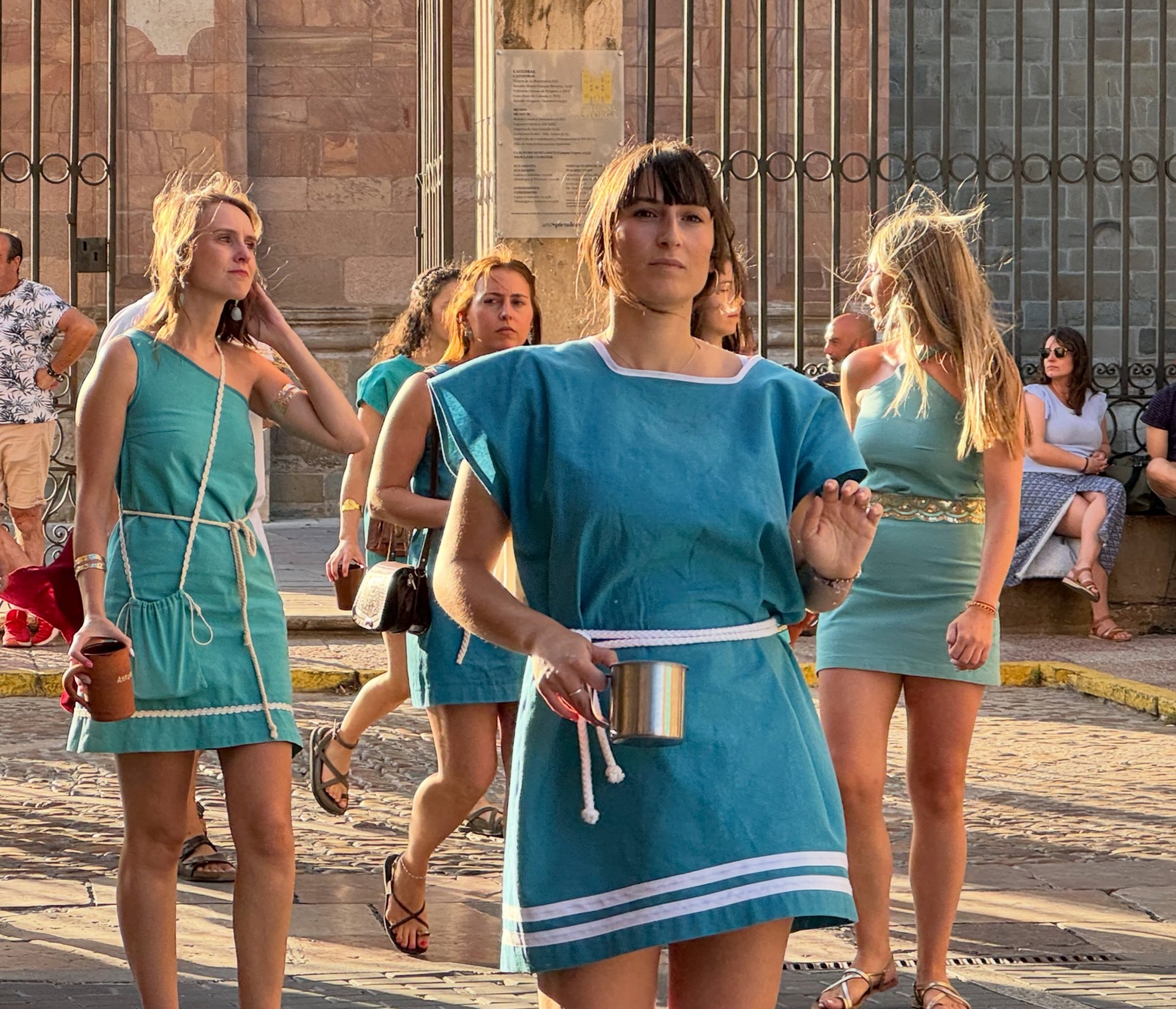
From there, the fun spills out to rest of the city. Everyone dresses up, either as a celt or a Roman, street music and general wholesome revelry takes over the city. On Friday and Saturday evening, there are free concerts too.
The Circo Romano on Saturday afternoon is still the climax of the weekend. In this expanded edition, it takes place in the local bull fighting ring played out as a contest between the Romans and the Astures. No fight to the death here either, it is instead a series of challenges and contests fit for a reality TV show.
The Astures always win it seems, which is unhistorical. But is it a sign of our times? You can interpret it however you want, or not at all.
The Basics:
Who: You and a bunch of Spaniards, mostly those living in Astorga or visiting for the summer.
What: Astures Y Romanos, a historical reenactment festival, meant ot be more fun than serious.
Where: Astorga, Spain, about 400 kilometers northwest of Madrid
When: The last full week of July.
Why: To commemorate the city’s Roman foundations and the treaty between the Roman Empire and the loca celtic people.